About

I've been drawing on everything since I was a kid. Turns out that was the plan all along.

Brand Identity Designer & Strategist, Swat, Pakistan

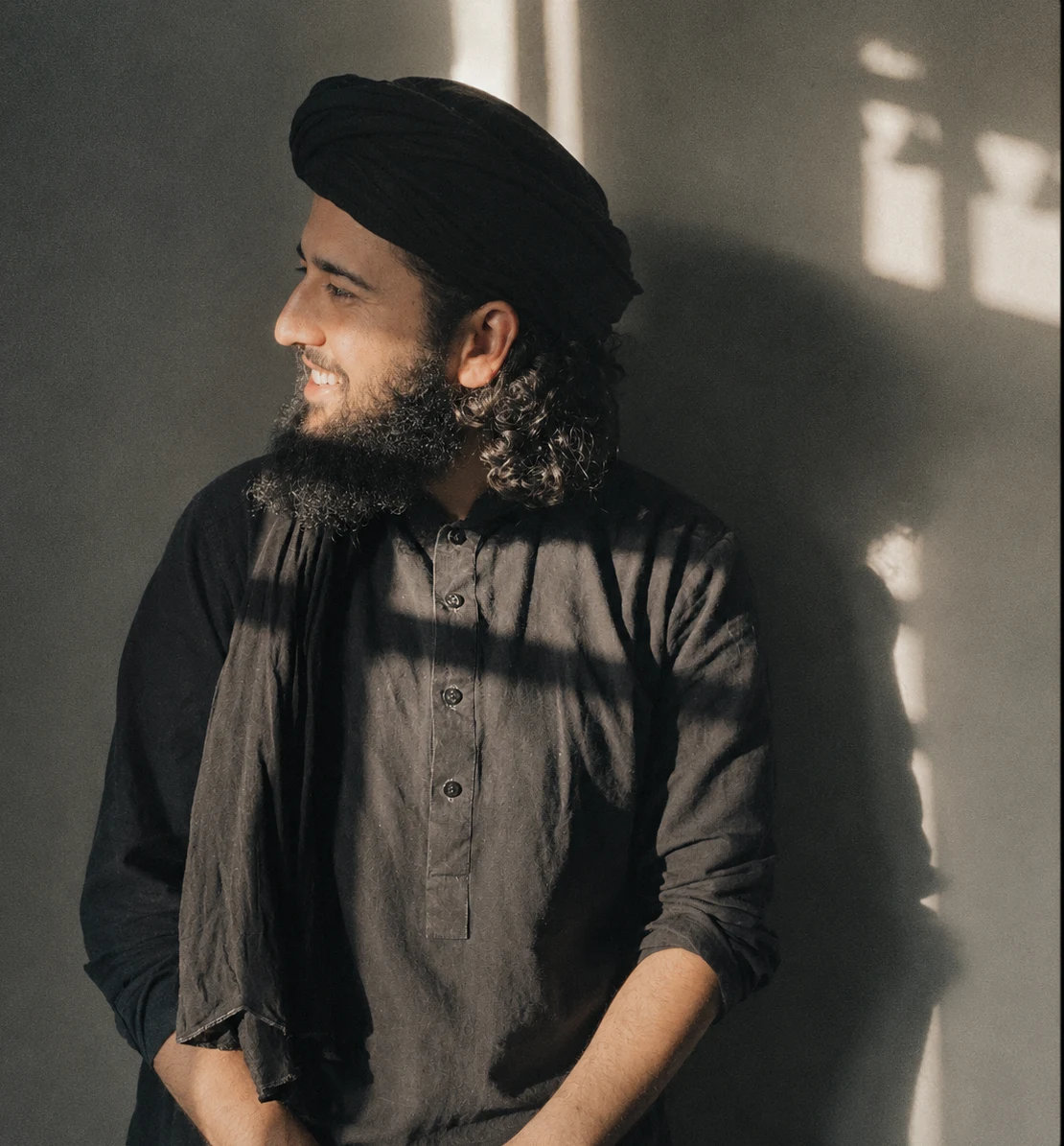
Portrait of Arbaz K. Yousafzay
In short

I build strategy-first brand identities that give smaller businesses a real shot against the giants, so where you're from stops being a disadvantage.

11+Years in the craft
120+Clients worldwide
30M+Generated for one client

I wanted to make everything around me look better.

I was drawing on my school books from nursery. Not doodling in the margins, actually drawing. Filling notebooks with things nobody asked me to make. I still have those paintings somewhere. By university I was sketching through lectures instead of taking notes. I knew it was wrong. I also could not stop.

In 2014 I needed to edit some documents for school and stumbled onto Photoshop. I took the app home and started practicing. Then I started reading. Then watching. Branding pulled me in because it was not just about how things looked, it was about why they looked that way and what that did to the people who saw them. The further I went, the more I wanted to understand the business side of it. Why some brands survive and others disappear. Why the better product does not always win.

More than making things look better, I wanted everything to exist for a reason. That has not changed. It just gets sharper with every project.
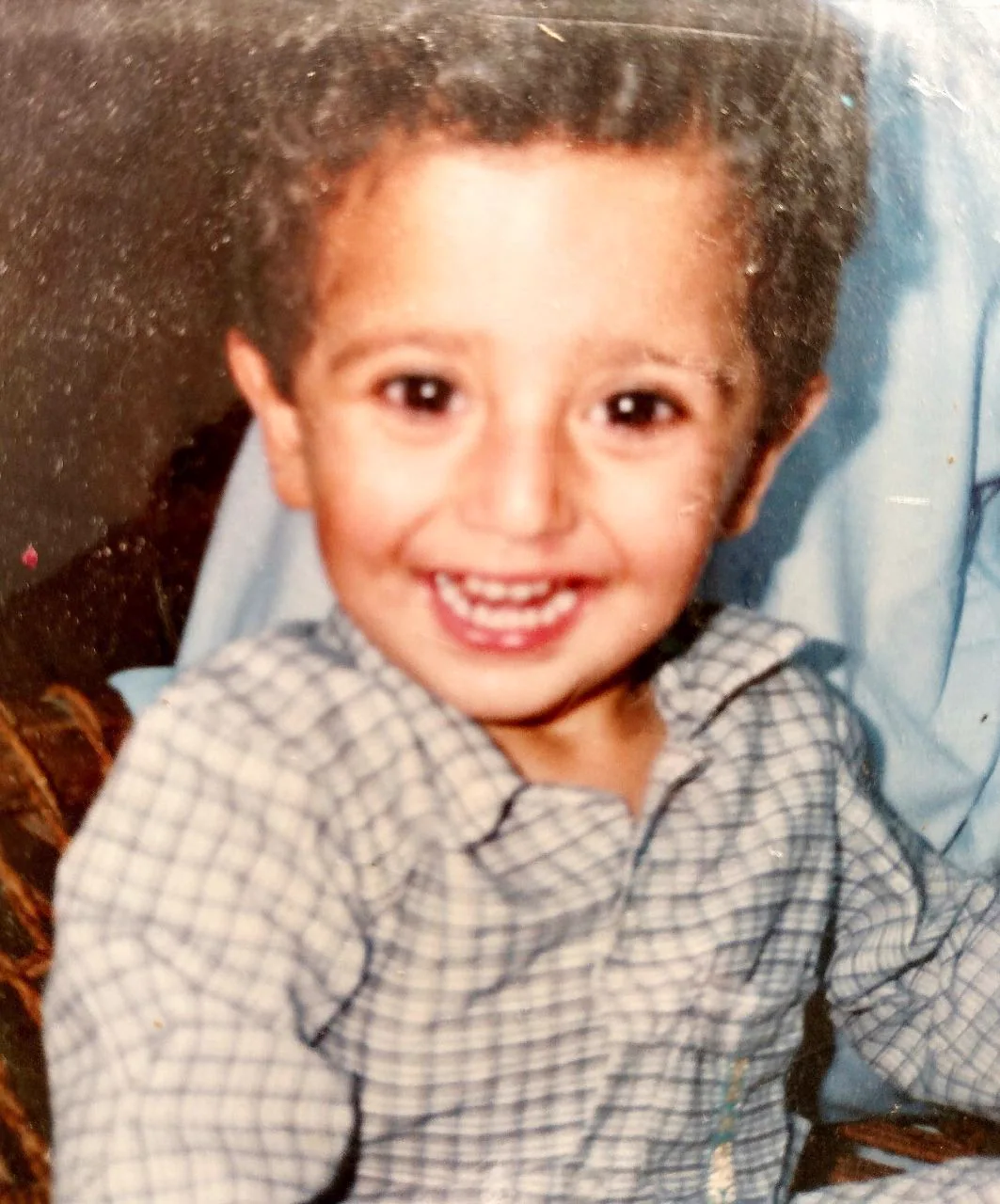
Arbaz as a child
Some things don't change.

Good businesses lose to bad brands every day in Pakistan.

I have watched it happen too many times. A local founder with a genuinely better product loses market share to a competitor who spends aggressively and holds the shelf space. Not because they are better. Because they look like they are.

That is the problem I work on. Strategy-first brand identities that give smaller businesses a real shot against the giants. When your brand is sharp enough, where you are from stops being a disadvantage. A business from Swat can compete with one from Karachi or Dubai or London. I have seen it happen.

I also have no patience for mediocre design. It actually bothers me when something that could be beautiful gets left ugly because nobody cared enough. That irritation is the quality control. It has never let me ship work I am not proud of.

Where it runs from

A designer out of Swat, built to compete anywhere.

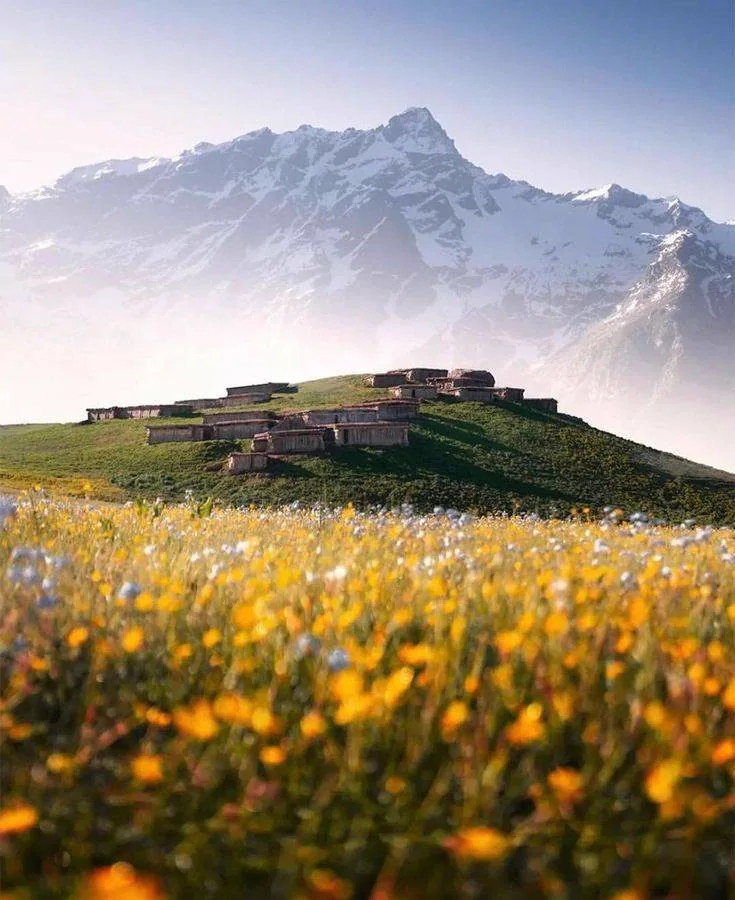
Swat Valley, Pakistan
Chukail, Swat
Chukail, Swat

Every project starts with strategy. Pixels come last.

Most designers open Illustrator on day one. I open a document and start asking questions. Who is this brand actually for? What does that person already believe? Where does this business sit in the market right now, and where could it sit with the right positioning? What is the one thing this brand should own in the customer's mind?

The visual work starts only after those questions have real answers. A logo built on a clear strategy is not just a mark, it is an argument. It tells the market exactly why this business exists. That is what separates a brand identity that gets compliments from one that generates revenue.

11 years. 120+ clients across Pakistan, Asia, MENA, the US, and Europe. The process has proven itself enough times that I stopped questioning it.

BPC Company. Full creative control. 30M+ in revenue.

BPC Company had an excellent product and an excellent team. What they did not have was a brand. No identity. No online presence. Nothing that communicated to a new client that this company was worth trusting. In new markets they were invisible, and their quality had no way to show for itself.

They gave me full creative control and told me to do what I do. That kind of trust is rare. I built them from scratch: brand strategy, visual identity, positioning, the full system. The result was a company that finally looked like what it actually was.

Clients were looking them up after meetings, and it was the branding that closed the deal. That identity has been central to over 30 million in revenue.

Not because it looked good. Because it worked.

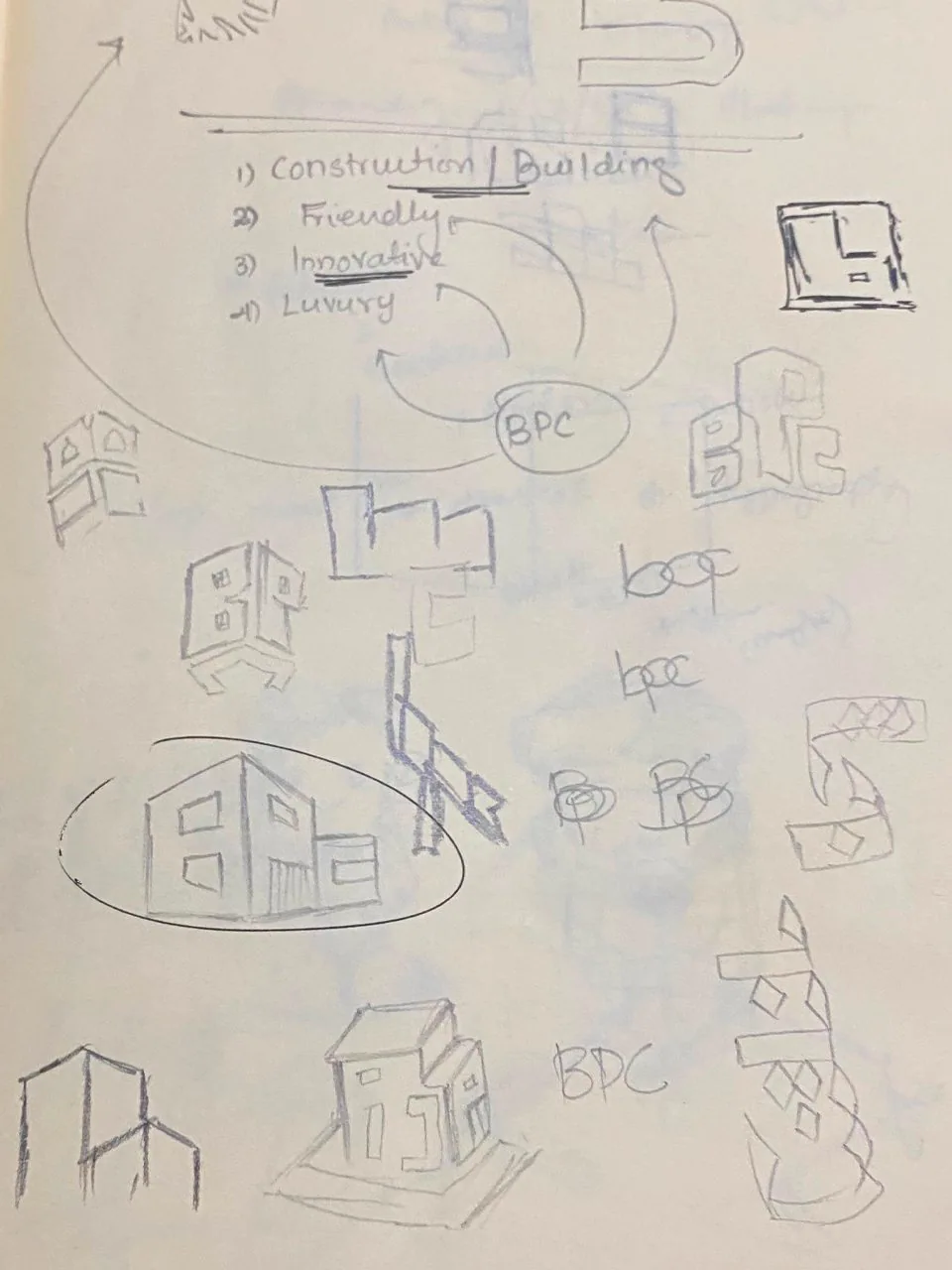
Early hand-drawn BPC monogram studies
Strategy first. Early BPC monogram studies.

Building something that stands alongside the big names.

I ran a studio before. Orzal Creative Studio in Mingora, 12 people, clients across retail and hospitality. It taught me a lot about what a studio needs that a solo practice does not. It also taught me exactly what I would do differently next time.

The next studio will not be a first attempt. It will be built the same way I build brands: strategy before anything else, and no compromises on craft. A creative studio from Swat that competes at the level of the best in the world. That is not a vague ambition. It is where eleven years of this work is pointing.

Until then, every project I take on gets the full weight of everything I have built. The reputation being established now is the foundation that studio will stand on.

Pakistan's branding problem is not a lack of talent.

The talent is here. The problem is what founders think design is worth. A founder will spend millions on a product and then negotiate the brand identity down to the cheapest possible option. The thing that is supposed to sell that product to the world. They want a logo, not a brand. They want their own taste reflected back at them, not a strategy built for their actual customer.

The copyright situation makes it worse. Template identities. Copied marks. Designs that belong to someone else running under a local business name. Nobody cares until it becomes a legal problem, and by then whatever brand equity existed is gone.

I work with founders who understand that branding is not an expense on a spreadsheet. It is the thing that makes the rest of the business work. Those are the clients who end up with something that lasts.

Let's talk

If you're building something worth looking at,
let's make sure it looks like it.

Strategy session first, pixels second. I usually reply within 24 hours.