How BPC Company Crossed 30M+ After a Complete Brand Overhaul
They had a strong product, a solid team, and over a decade of trust in Swat. The moment they tried to expand beyond it, none of that mattered. Here is what changed, and why.
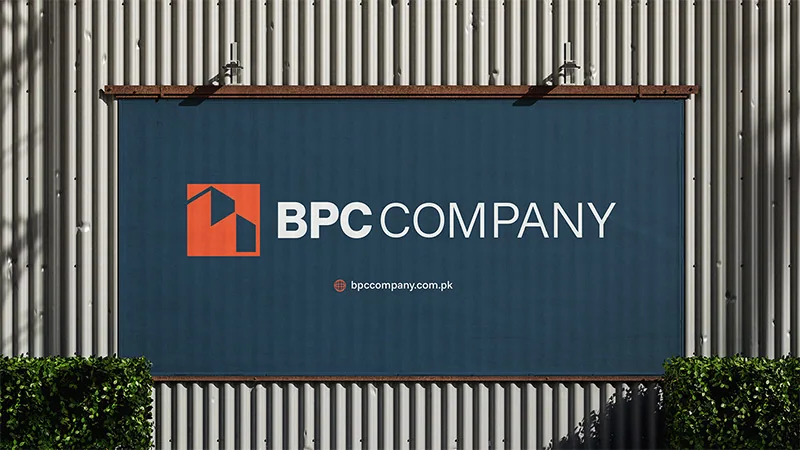
The situation before we started
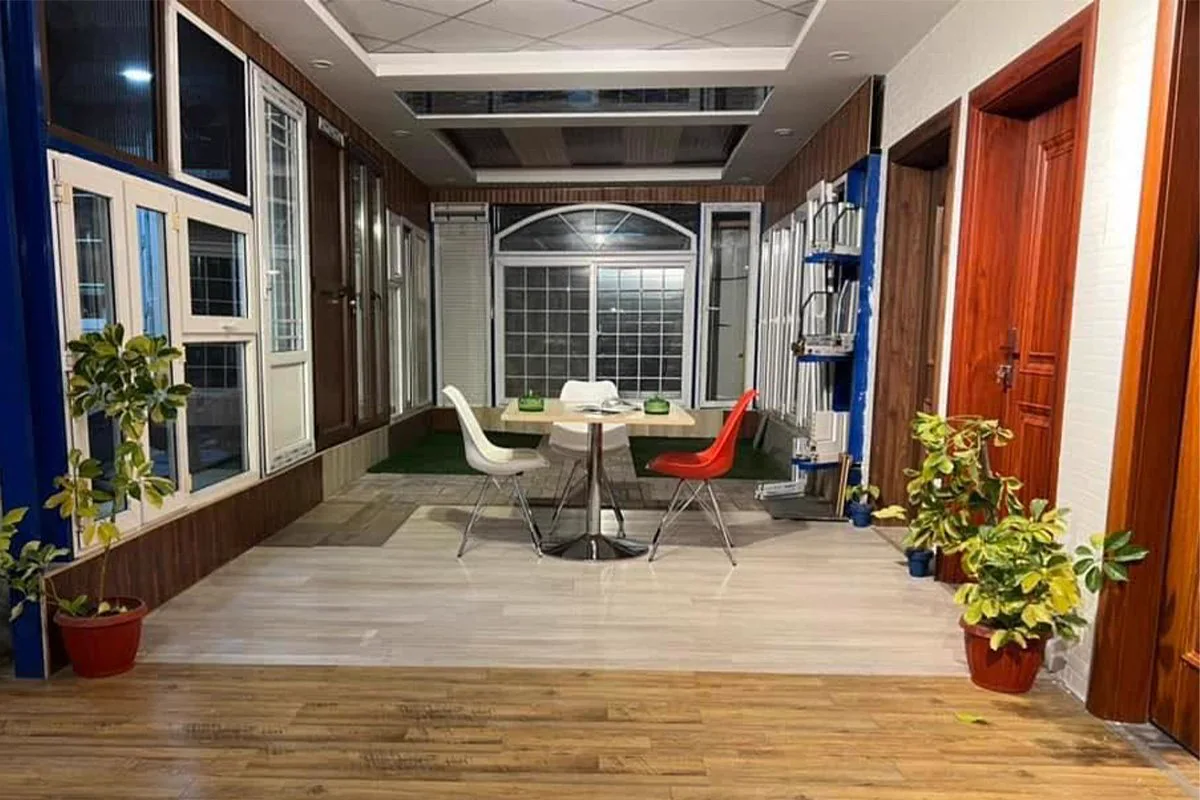
BPC Company was founded in 2011 in Swat, Khyber Pakhtunkhwa. Over the years they had built something real: a full-service provider of premium building solutions, covering uPVC doors and windows, aluminum systems, ceilings, flooring, wall panels, kitchens, wardrobes, steel railings, and more. Over 500 clients nationwide had trusted them. In Swat, their reputation did the selling.
Then they tried to expand. Islamabad first, then Lahore and Karachi. And that is where things got difficult.
In those markets, nobody knew BPC. The trust they had built over a decade in Swat meant nothing in a city where people had never heard of them. Competitors were already well-positioned, well-funded, and highly visible. BPC had the same product quality, often better. But they could not translate what they were into something new clients could immediately understand and trust.
Outreach efforts were converting poorly. Revenue from new markets stayed low while operational costs kept climbing. The brand had no clear positioning, no consistent visual presence, and no structured way to communicate what made them worth choosing. On paper they were strong. In new markets, they looked like anyone else.
The actual problem was not the product
This is the mistake most businesses make when expansion stalls. They assume the product needs work, or the pricing is off, or they need more salespeople. BPC's product was not the problem. Their pricing was competitive. Their team was capable.
The problem was perception. In a new market, a business gets about three seconds to establish credibility before a potential client moves on. If your brand does not immediately communicate that you are established, professional, and worth trusting, you lose that window. No amount of explaining fixes it. The first impression has already been made.
BPC was losing that window every time. Not because of what they offered. Because of how they showed up.
When Nasir Bukhari, BPC's CEO, came to me, he gave me full creative control. That kind of trust is rare and I do not take it lightly. The brief was simple: make us who we were meant to be. Everything else was up to me.
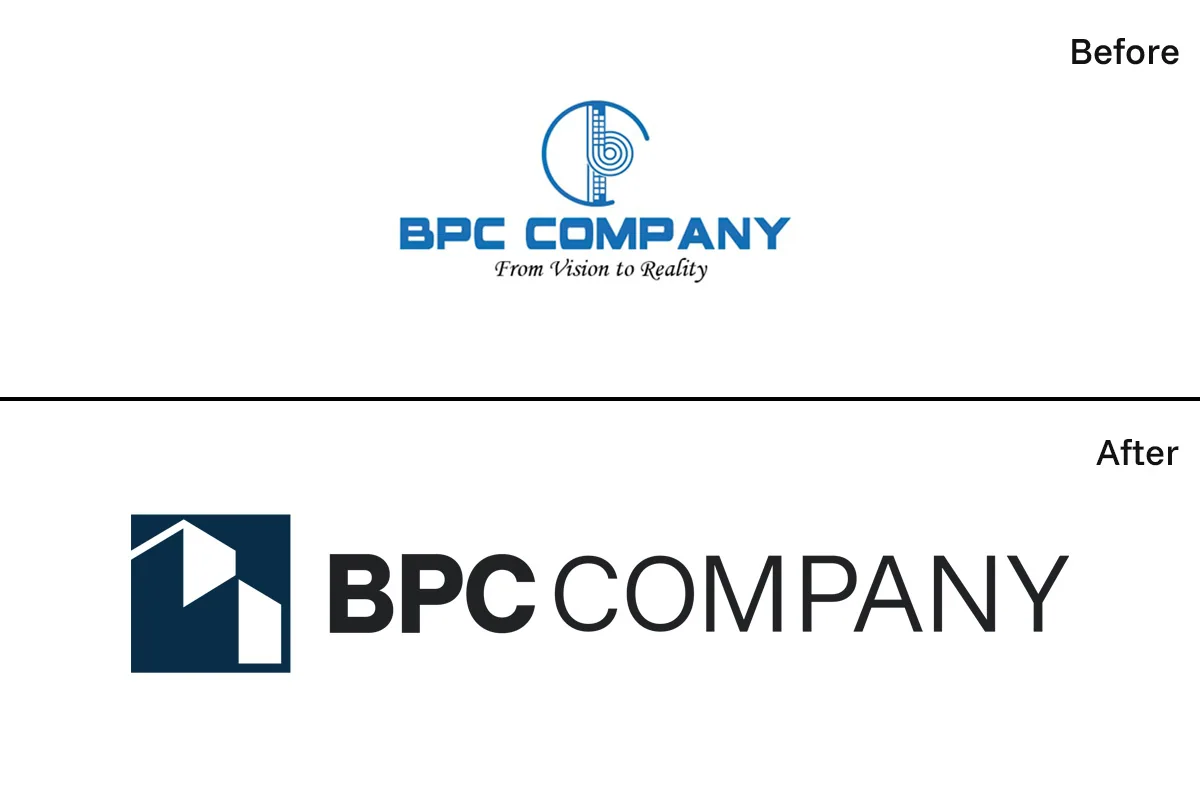
What we actually did: strategy before design
The first thing I did was not open Illustrator. I spent time understanding the business: what BPC actually stood for, who their ideal client was, what that client already believed about premium building solutions, and where BPC sat in the market relative to competitors in Islamabad, Lahore, and Karachi.
The brand strategy we landed on was built around three things: performance, engineering logic, and climate relevance. BPC's products are not just premium, they are specifically suited to Pakistan's climate and building conditions. That is a positioning angle no competitor was owning clearly. We owned it.
From that strategic foundation, the visual identity work began. The goal was to build a brand system that felt established and credible from the first glance, even in a market where BPC was completely new. Every touchpoint had to tell the same story: this is a company that knows what it is doing.
The five-part transformation
- Brand strategy: Clear positioning centered on performance, engineering, and climate-ready building solutions. A defined reason to choose BPC over every alternative in a competitive urban market.
- Visual identity rebuild: A complete overhaul of how BPC looked across every touchpoint. Consistent, credible, premium. Nothing that looked regional or improvised.
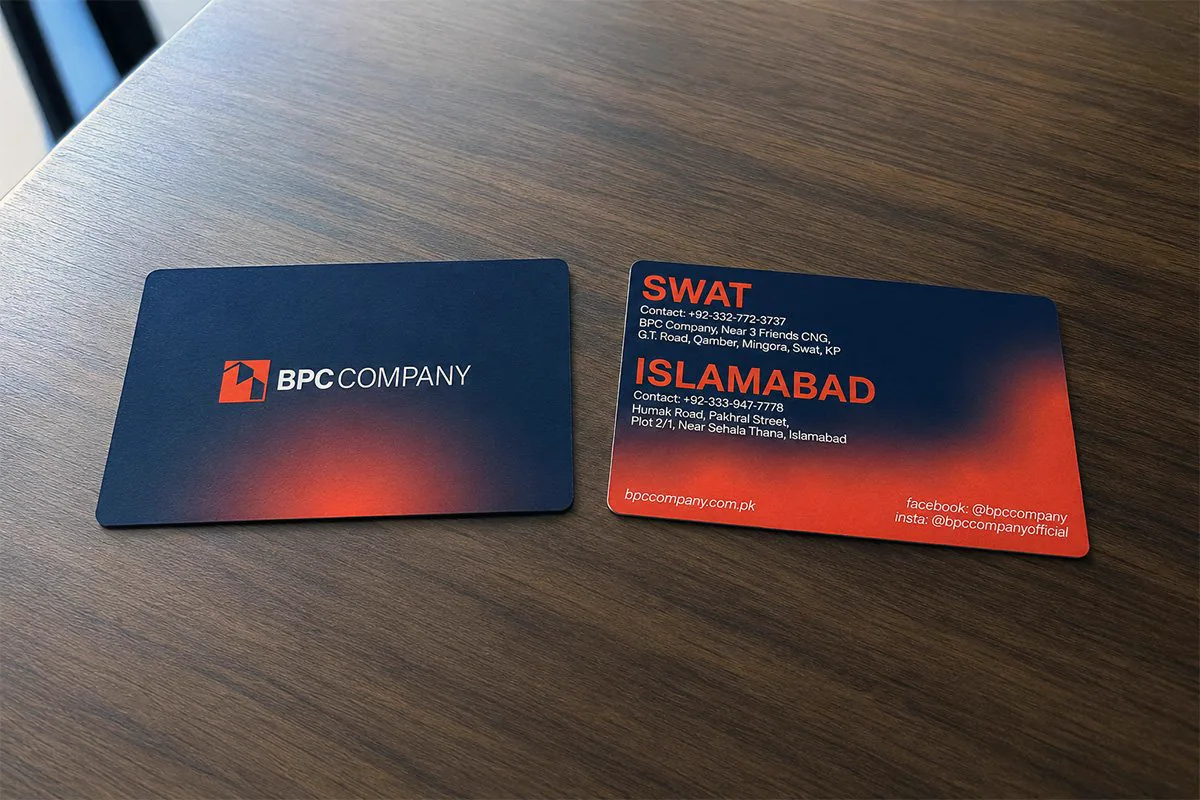
- Communication system: Aligning physical and digital communication under one unified brand system. Sales materials, signage, digital presence, all telling the same story.
- Digital presence: Strengthening social media and online visibility so that when a potential client looked BPC up after a meeting, what they found confirmed the decision to trust them.
- Sales alignment: Structuring brand communication to actively support the sales process. The brand became something the sales team could point to, not something they had to explain around.
What happened after the rebrand
The results came faster than anyone expected.
In the first one and a half quarters after the rebrand, BPC crossed 30 million in revenue. Expansion into Islamabad stabilised and began generating consistent results. New projects started emerging in Lahore and Karachi. Regions that had not been part of the picture before, including Chakwal and interior Punjab, became part of the client base. Private and government projects both became more accessible, with higher-value deals converting that had not been converting before.
Nasir told me something that stuck. He said clients were looking BPC up after meetings, and it was the branding that convinced them to close the deal. Not the sales pitch. Not the pricing. The brand. People were seeing the company online, forming an impression, and deciding to trust them based on what they found.
That is what a brand is supposed to do. It is supposed to work when you are not in the room.
What this means for any business trying to grow
BPC's story is not unusual. I have seen versions of it many times across Pakistan. A business with a genuinely strong offer that cannot break into new markets because the brand does not match the product. The gap between what a company actually delivers and how it is perceived is where growth stalls.
The instinct is usually to spend more on sales or marketing. Sometimes that is the right move. But if the brand is weak, more visibility just means more people seeing something that does not build trust. You are spending money to show up and lose the impression.
What the BPC project showed, clearly, is that fixing the brand first changes the economics of everything else. Sales conversations go differently when the client has already seen something credible. Marketing spend works harder when there is a clear identity behind it. Word of mouth carries further when people have something concrete to point to.
Branding is not the last thing you invest in. For a business trying to grow beyond its home market, it is often the first thing that needs to be right.
If your business is in the same position BPC was in
Strong product. Weak brand. Markets you cannot break into no matter how hard you push.
That gap is fixable. I have done it before and the results are sitting right here in this article.